
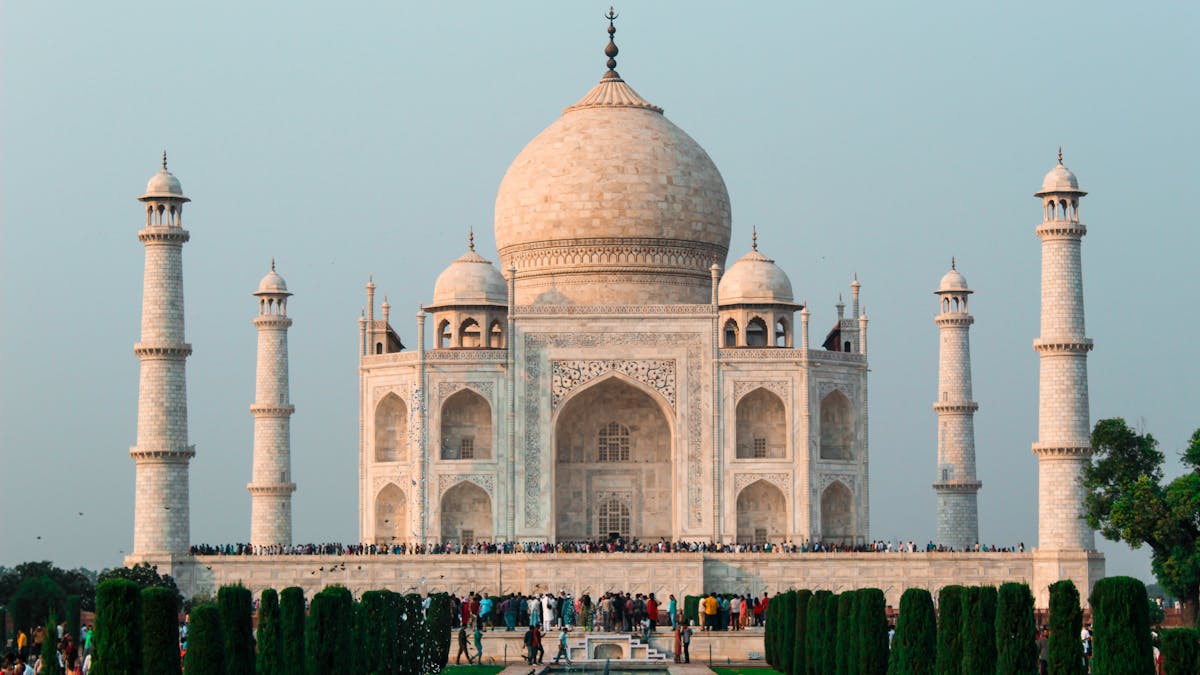
India's tourism industry generated a record $50 billion in total revenue in FY26, with $28 billion from foreign tourist arrivals and $22 billion from domestic leisure and pilgrimage travel, according to data from the Ministry of Tourism. Foreign tourist arrivals reached 18.5 million, recovering well past the pre-COVID peak of 10.9 million in FY20, driven by improved international air connectivity, the expansion of e-visa facilities to 180 countries, strong marketing through the "Incredible India" campaign and growing global interest in wellness tourism, yoga retreats and cultural heritage experiences that India uniquely offers. The government has set a target of 30 million foreign arrivals and $100 billion in tourism revenue by 2030.
The domestic tourism market, which has historically been underestimated in official statistics, has grown explosively in the post-pandemic era as middle-class Indians increasingly allocate discretionary spending to travel experiences rather than consumer goods. The Char Dham Yatra attracted over 45 lakh pilgrims in 2025, while Lakshadweep experienced a sudden surge in interest after Prime Minister Modi's visit generated massive social media attention. Goa, Rajasthan, Kerala, Himachal Pradesh and the Andaman Islands remain the leading leisure destinations for domestic tourists, while a new wave of travellers is discovering lesser-known destinations in the Northeast, Odisha's tribal circuits, Madhya Pradesh's wildlife parks and Gujarat's Rann Utsav.
The tourism sector is a powerful employment generator, providing jobs to 8.5 crore people directly and indirectly — spanning hospitality, transport, handicrafts, food service, adventure activities and travel agency businesses. Unlike manufacturing or IT, tourism jobs are distributed geographically and accessible to workers across educational and skill levels, making it particularly valuable as an economic development tool in rural and tribal areas with natural or cultural heritage assets. The Pradhan Mantri Kaushal Vikas Yojana has specifically expanded hospitality and tourism skill training, aiming to improve service standards and employability across the industry.
Infrastructure investment in tourism is accelerating rapidly. The government has identified 50 new tourism circuits for development under the PRASHAD (Pilgrimage Rejuvenation and Spiritual, Heritage and Augmentation Drive) and SWADESH DARSHAN 2.0 schemes, covering eco-tourism, adventure, wellness and cultural heritage themes. New airports serving tourist destinations including Ayodhya (which became India's newest international airport in 2024), Kushinagar, Jharsuguda, Shillong and Deoghar are opening up previously hard-to-reach destinations. Hotel chains including Marriott, Hyatt, Hilton and IHG are aggressively expanding in India, with over 40,000 new branded hotel rooms under development across the country for delivery by 2028.
India's tourism brand is evolving from a budget backpacker destination to one that can successfully attract high-spending luxury and experiential travellers. The launch of the luxury train circuit including the Maharajas' Express, Palace on Wheels and Deccan Odyssey has positioned India alongside Morocco, Japan and Peru as a destination for premium train travel experiences. Wellness and Ayurveda tourism, particularly from European, American and Southeast Asian visitors seeking alternatives to pharmaceutical medicine, generates high spending per visitor and supports an ecosystem of clinics, resorts and traditional practitioners. The digital nomad trend has also driven longer-stay visitors to cities like Bengaluru, Goa and Pondicherry, contributing sustained economic activity beyond the typical short tourist visit.


